Sustainability
Quatom integrates the responsible use of technology, environmental stewardship, community impact, and governance into how energy assets are managed and improved.

Our Philosophy
Energy systems become more sustainable when they are better understood, better governed, and continuously improved. Quatom connects intelligence, technology, operating discipline, and stakeholder accountability to improve how energy assets perform over time.
For us, sustainability means using technology responsibly, reducing waste and environmental impact, strengthening communities, improving resilience, and creating value that can endure.
Sustainability Pillars

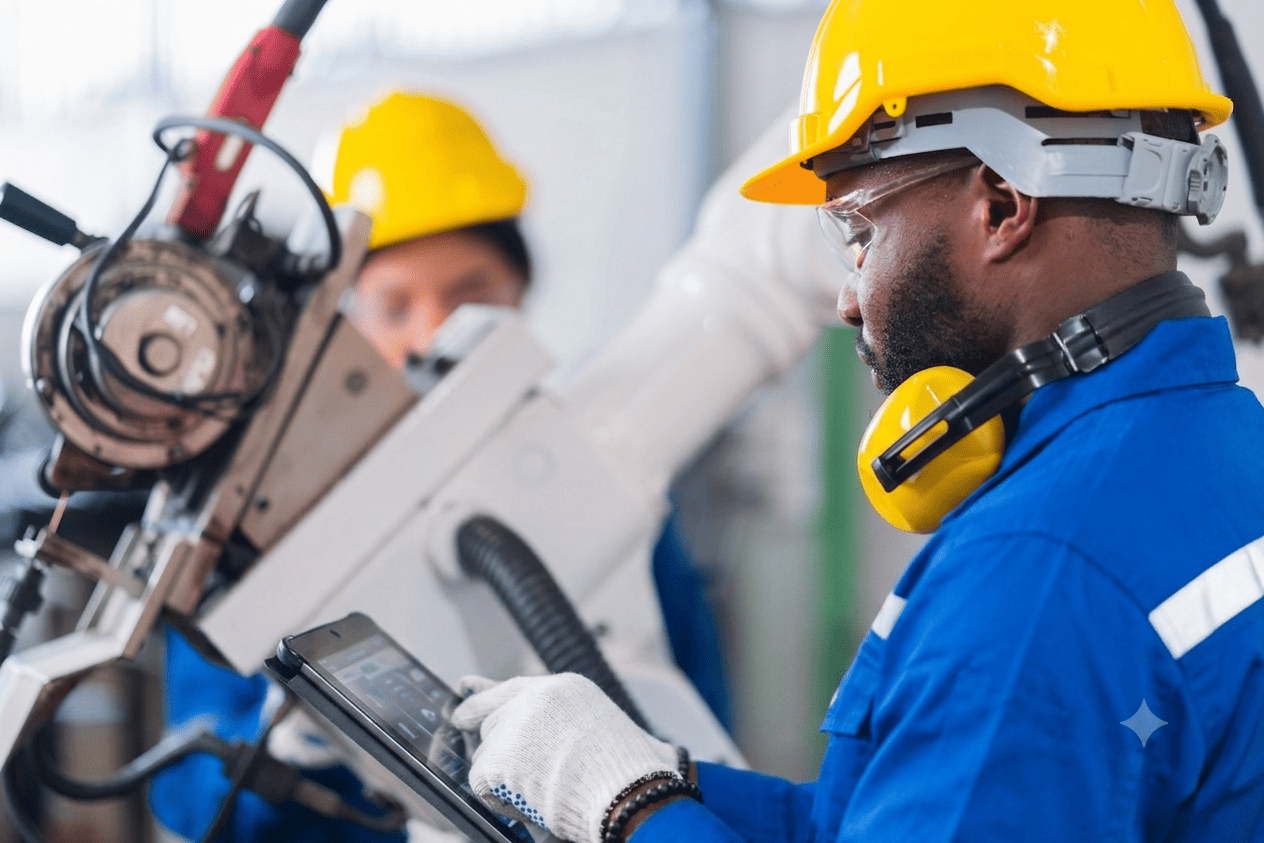
Human judgment remains central to energy performance. Technology improves visibility and speed, but people remain at the center. We support a human-centered model where technology strengthens capability rather than replacing it.
Reliable energy supports economic and social progress. Our contribution begins with helping energy systems become better managed, more reliable, and more accountable to the communities that depend on them. It extends to local content — developing local people and transferring technology and capability into the markets where we operate, so value stays and grows in those communities.
Better visibility supports lower waste and avoidable emissions. By improving monitoring, maintenance intelligence, and decision support, we help operators understand the performance conditions that influence emissions, energy losses, and carbon footprint.
Trust is built through transparency and discipline. We help assets become more transparent, better documented, more accountable, and more credible to capital by connecting governance directly to performance.
Human judgment. Transparent systems. Accountable decisions. AI-enabled systems should strengthen human judgment, not replace it. Every intelligence tool we deploy is designed around real asset problems, clear purpose, and accountable decision-making.
Sustainability in Practice
When intelligence, responsible technology, operating discipline, and governance work together, sustainability translates into lower waste, stronger resilience, greater accountability, and more durable value.
Better visibility and operating discipline help identify energy losses, waste, inefficient processes, and opportunities to improve resource use and environmental performance.
Stronger maintenance, intervention planning, operating visibility, and capability help improve reliability, continuity, and the ability to respond to changing conditions.
Clear governance, performance evidence, responsible technology, and stakeholder visibility strengthen accountability across operators, partners, communities, and institutions.
Better-managed assets can strengthen operating economics, capital readiness, asset longevity, stakeholder confidence, and the long-term value created for the markets they serve.